Tuesday, December 3, 2013

Pro makeup tips for aging skin

Pro makeup tips for aging skin
Easy Does It
Makeup has an almost magical ability to brighten, balance and enhance your face—if applied correctly. But if you put on the wrong type of makeup, or the right makeup but the wrong way, it can actually make you look older than you are.
Before you throw your hands in the air and all your makeup in the trash, let us teach you how to put on makeup to look younger.
Shimmer down. Is the excitement of sparkly makeup enough to send you into an over-application frenzy? Shimmery products can emphasize wrinkles if worn incorrectly, so take care not to apply too much. Think “soft glow” instead of “blinding light.” Or just stay away from the dreaded “wrinkle zones” (see “Pro tips,” below). Light-reflecting tinted moisturizer is a fantastic alternative if what you’re after is a subtle, goof-proof overall glow.
Lighten up. Have you gotten heavy-handed with your application technique? Heavy makeup and intense colors can look severe, especially as we get older. Take years off your face by using less pigmented colors, sheer textures and a softer application for eyes, lips and cheeks. Choose neutral colors that look natural with your skin tone.
Do the dew. If you’re feeling plagued by wrinkles or dry skin, creamy formulations could be your new best friend. Try switching to liquid foundation, and cream eye shadow or blush for a dewy look. Creams can be applied with synthetic bristle brushes or your fingers. Then keep your look from sliding off: use a soft bristle brush to set your makeup with a light dusting of translucent powder.
Refine the shine. Oil slick alert! If your skin tends to get oily, try using blotting paper instead of piling on more powder as the day goes on. Since the sheets remove oil without adding anything to your face, you can use them with wild abandon.
Be a softy. Resist the urge to pencil-line your lower eye—it can look harsh and close off your eye, making it appear smaller. If your eyeliner ends up smudging (as most do), the area underneath your eyes will look darker. If you do line your lower eye, avoid black and use a sponge-tip applicator for blending, so the line doesn’t look too stark. Brown, gray and even deep purple pencils are great choices. Even better: use eye shadow (apply it with a thin, angled eyeliner brush).

Pro tips

Warning: wrinkle zones. Wrinkles are little crevices where both powder and cream makeup can get stuck, emphasizing fine lines. Avoid the trap by applying less makeup to areas where wrinkles tend to form: between the nose and mouth corners, crow’s feet around the eyes, forehead and any other personal trouble spots.
Bright idea! Use an at-home teeth-whitening system to brighten your whole face—no makeup necessary! And maintain your dazzling smile on a daily basis with whitening toothpaste.
Makeup misstep. One of the most common makeup application mistakes happens when women try to cover skin imperfections. If you apply too much base and follow with a heavy layer of powder on top, your face can end up looking mask-like and be more distracting than what you’re actually trying to cover. Instead, try putting concealer only on trouble spots, followed by a light application of base and dusting of translucent powder to set your look.

Fruit is not the bad guy if you'r trying to lose weight

Getty Images
Getty Images
People trying to lose weight often banish bananas and other fruits from their diets because they’re loaded with carbohydrates and sugar. But a new review of studies shows that eating a lot of this naturally sweet produce is actually connected to lower body weight.
“You can have as many apples and bananas as you want–even if you’re on a diet,” says review author David Ludwig, MD, professor of nutrition at the Harvard School of Public Health. “In fact, we haven’t found evidence that fruit does anything but promote health, helping keep blood pressure, cholesterol, obesity and heart disease in check.”
Want to learn more? Read Fruit Isn’t

Spotted hands

cream-age-spots
Credit: Getty Images

5 of 11

Spotted hands

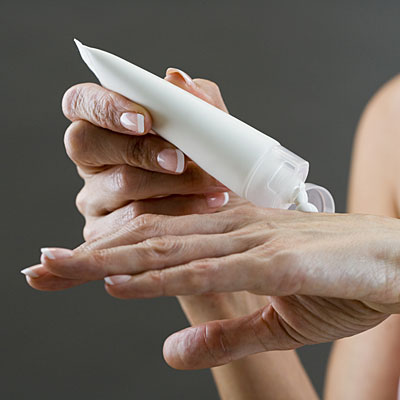
A loss of collagen leads to less volume, making veins stand out more. Brown spots and other signs of sun damage begin to make their debut, too.

At home: Apply a sunscreen daily on the backs of your hands to prevent further sun damage. Keep hands well-hydrated, says New York City cosmetic dermatologist Lisa Airan, MDs. And ditch the dark polish—pale shades look more modern and take the focus off your hands, says Rodrica Constantin, national trainer for nails at the Red Door Spas.

At the doc's: Laser treatments can repair sun damage, and fillers can plump up hands that have seen better days. There's also photodynamic therapy (a light-based treatment typically used to fade age spots), which may stimulate collagen production

Hangovers

hangover

12 of 15

Hangovers

Rough night? You may have had a blast at all the holiday parties, but blood-shot eyes, yesterday's makeup, and messy hair don't look good on anyone.

The first rule is to drink in moderation (obviously), but there are a few other things that can help. Sip lots of water, never drink alcohol on an empty stomach, avoid mixing different cocktails throughout an evening, and choose light liquor over dark.

If you still wake up with a hangover, some ibuprofen, water, and rest will eventually do the trick.

Dull complexion

exfoliating

7 of 15

Dull complexion

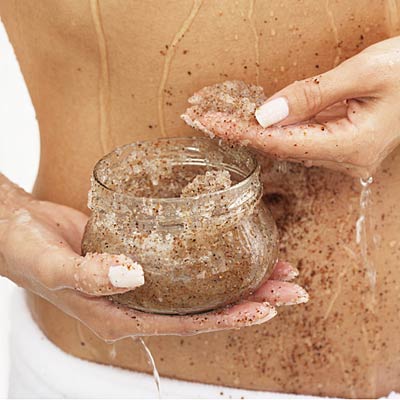
Just as hair color fades in the winter, so does your complexion. Chilly conditions cause dry skin, and that sun-kissed glow has long since left your face. Bring life back to your appearance just in time for out-of-town guests to arrive (and office parties to begin).

Give your winter skin a wake-up by using a daily exfoliator to scruff off dead skin cells and invest in an age-defying color corrector for a more even skin tone.

Try a tinted moisturizer with SPF. Add a pop of much-needed color with a rosy-pink cream blush that stays on longer and adds a more youthful look than powder blushes.

Weight gain

feet on scale

2 of 15

Weight gain

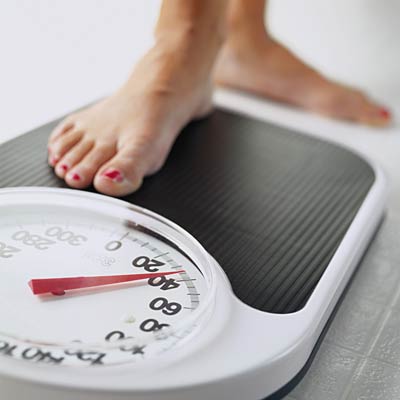
The holidays can seem like an endless parade of cookies, pies, special drinks, and traditional desserts. But a few smart moves can help you avoid holiday weight gain.

You can have your beloved cheesecake if you stick to reasonable portions and cut back on calories when you can.

Choose hot cocoa over creamy eggnog (a calorie atomic bomb!). Watch out for finger foods at parties, as mindless munching can add up. Have a light breakfast and lunch so you can enjoy all the holiday fare at dinner, and aim to fit in some exercise each day, even if it's just a brisk walk around th

Superfoods that heal

health-food-medicine
Credit: Getty Images

prev1 of 12

Superfoods that heal

By Norine Dworkin-McDaniel
Once upon a time, food as medicine wasn't such a strange idea—Hippocrates himself vouched for it. And while you may not expect your meals to hold as much importance in an era when doctors can do face transplants, food is still vital for mental and physical well-being. "Our bodies have a remarkable capacity to heal, and what we eat can help with that," says Travis Stork, MD, co-host of The Doctors and a practicing board-certified emergency-medicine physician. The thought that diet enhances mood and wellness may be age-old, but the scientific proof is brand-new. So turn your grocery list into an Rx for what ails you, using this latest research as your guide.

Eat omega-3s

fish-oil
Credit: Getty Images

14 of 21

Eat omega-3s

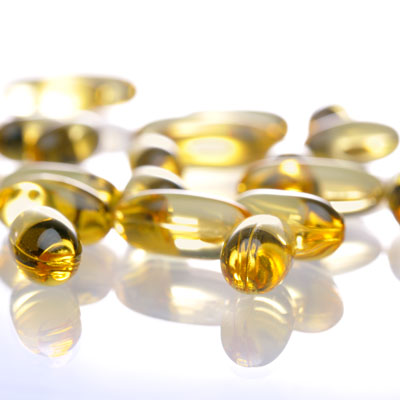
You know fish oils are good for the heart, and perhaps they protect against depression. Add anxiety to the list. In one study, students who took 2.5 milligrams a day of mixed omega-3 fatty acids for 12 weeks had less anxiety before an exam than students taking placebo.

Experts generally recommend that you get your omega-3s from food whenever possible. Oily, cold-water fishes like salmon are the best sources of the fatty acids; a six-ounce piece of grilled wild salmon contains about 3.75 grams.

Other good choices: anchovies, sardines, and mussels.

Eat something, quick

anxiety-chocolate
Credit: Getty Images

12 of 21

Eat something, quick

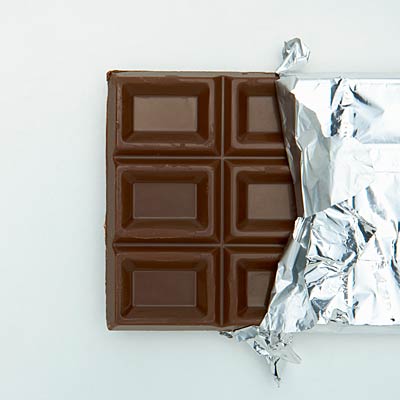
"Almost universally, people get more anxious and irritable when they are hungry," says Dr. Ramsey, coauthor of The Happiness Diet. "When you get an anxiety attack, it may mean your blood sugar is dropping. The best thing to do is to have a quick sustaining snack, like a handful of walnuts, or a piece of dark chocolate, along with a glass of water or a nice cup of hot tea."

In the long term, diet is key to reducing anxiety, says Dr. Ramsey. His advice: Eat a whole-foods, plant-based diet with carefully selected meat and seafood, plenty of leafy greens (such as kale) to get folate, and a wide variety of phytonutrients to help reduce anxiety.

pop your own

organic-popcorn
Credit: Getty Images

2 of 7

Pop your own

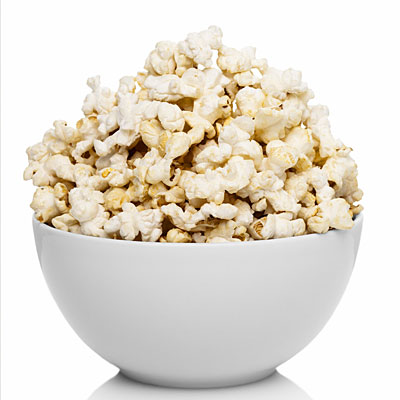
A movie’s just not a movie without popcorn! But most large, buttery tubs from the concession stand boast a whopping 1,000-plus calories. Smuggle in your own (air- or microwave-popped, 94% fat-free) and save around 900 calories

give yourself credit

anxiety-body
Credit: Getty Images

20 of 21

Give yourself credit

Are you having anxious thoughts? Congratulations. You're aware of your emotional state, and that awareness is the first step in reducing anxiety, says Edenfield.

"Remember to give yourself credit for being aware that you are having anxious thoughts, and probably body changes. This is truly a skill of mindfulness that must be learned, and is essential in making the next steps of intervening through strategies such as positive self-talk, cognitive reframing, or the use of mindfulness or relaxation strategies."

Eat breakfast

anxiety-breakfast
Credit: Getty Images

13 of 21

Eat breakfast

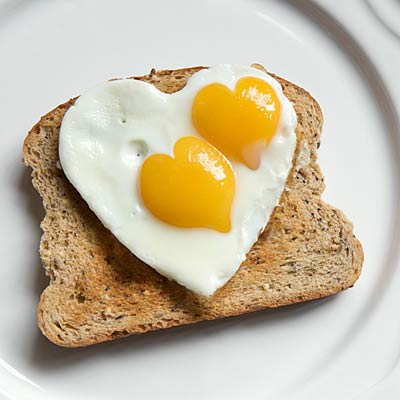
Stop starving yourself, advises Dr. Ramsey. "Many people with anxiety disorders skip breakfast. I recommend that people eat things like eggs, which are a satiating and filling protein, and are nature's top source of choline. Low levels of choline are associated with increased anxiety."
anxiety-lavender
Credit: Getty Images

10 of 21

Lavender

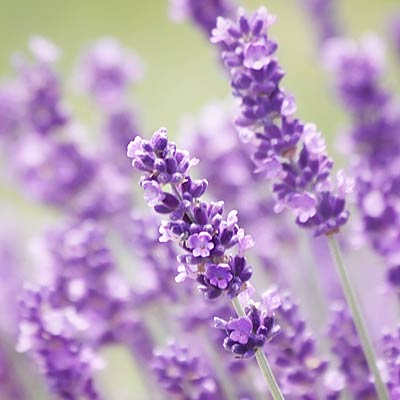
The intoxicating (but safe) aroma of lavender (Lavandula hybrida) may be an "emotional" anti-inflammatory. In one study, Greek dental patients were less anxious if the waiting room was scented with lavender oil. In a Florida study, students who inhaled lavender oil scent before an exam has less anxiety—although some students said it made their minds "fuzzy" during the test.

In one German study, a specially formulated lavender pill (not available in the U.S.) was shown to reduce anxiety symptoms in people with Generalized Anxiety Disorder (GAD) as effectively as lorazepam (brand name: Ativan), an anti-anxiety medication

lavender

anxiety-lavender
Credit: Getty Images

10 of 21

Lavender

The intoxicating (but safe) aroma of lavender (Lavandula hybrida) may be an "emotional" anti-inflammatory. In one study, Greek dental patients were less anxious if the waiting room was scented with lavender oil. In a Florida study, students who inhaled lavender oil scent before an exam has less anxiety—although some students said it made their minds "fuzzy" during the test.

In one German study, a specially formulated lavender pill (not available in the U.S.) was shown to reduce anxiety symptoms in people with Generalized Anxiety Disorder (GAD) as effectively as lorazepam (brand name: Ativan), an anti-anxiety medication

passionflower

anxiety-passionflower
Credit: Getty Images

9 of 21

Passionflower

In spite of the name, this herb won't help you in love. It's a sedative; the German government has approved it for nervous restlessness. Some studies find that it can reduce symptoms of anxiety as effectively as prescription drugs. It's often used for insomnia.

Like other sedatives, it can cause sleepiness and drowsiness, so don't take it—or valerian, hops, kava, lemon balm, or other sedative herbs—when you are also taking a prescription sedative.

Exercise is safe

anxiety-exercise
Credit: Getty Images

7 of 21

Exercise

Exercise is safe, good for the brain, and a powerful antidote to depression and anxiety, both immediately and in the long term. "If you exercise on a regular basis, you'll have more self-esteem and feel healthier," says Drew Ramsey, MD, Assistant Clinical Professor of Psychiatry at New York-Presbyterian Hospital, Columbia University, who blogs at www.DrewRamseyMD.com.

"One of the major causes of anxiety is worrying about illness and health, and that dissipates when you are fit."

VALERIAN

anxiety-valerian
Credit: Getty Images

5 of 21

Valerian

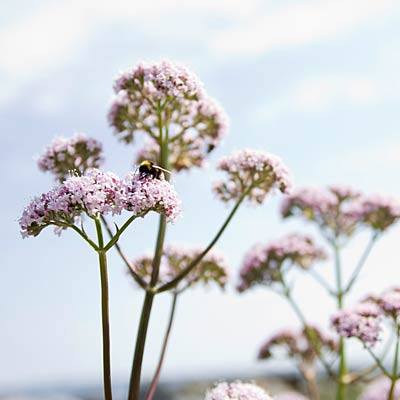
Some herbal supplements reduce anxiety without making you sleepy (such as L-theanine), while others are sedatives. Valerian (Valeriana officinalis) is squarely in the second category. It is a sleep aid, for insomnia. It contains sedative compounds; the German government has approved it as a treatment for sleep problems.

Valerian smells kind of nasty, so most people take it as a capsule or tincture, rather than a tea. If you want to try it, take it in the evening—not before you go to work! Valerian is often combined with other sedative herbs such as hops, chamomile, and lemon balm

L-THEANINE (GREEN TEA)

anxiety-green-tea
Credit: Getty Images

3 of 21

L-theanine (or green tea)

They say Japanese Buddhist monks could meditate for hours, both alert and relaxed. One reason may have been an amino acid in their green tea called L-theanine, says Mark Blumenthal, of the American Botanical Council.

Research shows that L-theanine helps curb a rising heart rate and blood pressure, and a few small human studies have found that it reduces anxiety. In one study, anxiety-prone subjects were calmer and more focused during a test if they took 200 milligrams of L-theanine beforehand.

You can get that much L-theanine from green tea, but you'll have to drink many cups—as few as five, as many as 20.